
Assisted living in Huntington supports independence by pairing personal routines with flexible care that adapts to daily habits. In Huntington, IN, Residents keep control over mornings, meals, and activities while receiving steady help that fits changing needs.
Nearly 95 percent of adults age 60 and older live with at least one chronic condition, according to the National Council on Aging (NCOA). That reality shapes how older adults move through each day; energy levels vary, routines matter, and support must adapt without taking control. Communities like Huntington see families searching for care that respects established habits while easing daily strain.
Assisted living in Huntington meets that need by blending support into familiar rhythms rather than disrupting them. Assistance follows personal schedules for waking, meals, and activities. Daily life stays recognizable while care quietly adjusts in the background.
What Personal Routines Matter Most in Assisted Living?
Personal routines anchor comfort and confidence in assisted living. Sleep schedules, meal preferences, and social rhythms shape how care fits into each day.
Care teams learn habits through daily interaction and ongoing communication. Familiar patterns stay consistent; adjustments happen quietly without disruption.
How Does Personalized Care Reduce Daily Stress?
Personalized care reduces stress by removing guesswork from daily tasks. Assistance aligns with habits, which lowers friction and preserves focus on meaningful activities.
Consistency builds trust between residents and caregivers. Calm routines replace constant adaptation; energy stays reserved for connection and enjoyment.
Older Adult Independence: Personalized Care That Fits Daily Life
Personalized care in Huntington, IN shapes assistance around habits that already feel natural. Support adjusts to preferred wake-up times, meal pacing, and social comfort. Independence stays visible because routines guide how care appears throughout the day.
Care teams focus on consistency rather than control. Familiar patterns reduce friction and help days flow with less effort. Personal habits stay respected, even as needs change over time.
Daily support often includes:
- Morning assistance
- Medication reminders
- Mobility support
- Mealtime help
- Evening routines
Support in Senior Living That Adapts as Needs Change
Care needs rarely stay fixed; assisted living responds by adjusting support without disrupting daily flow. Help increases or pulls back based on energy, mobility, and comfort. Independence remains intact because changes feel gradual rather than sudden.
Staff track patterns through observation and conversation. Adjustments happen quietly while routines stay familiar. Care evolves without pressure, which helps residents stay confident as life shifts.
Adaptive support may include:
- Flexible schedules
- Mobility adjustments
- Health monitoring
- Personal reminders
- Rest pacing
Social Life That Respects Personal Pace
Social connection matters, yet comfort levels vary from day to day. Assisted living supports engagement without forcing participation. Residents choose when to join in and when to recharge privately.
Activities align with interests and energy levels. Connection stays available while autonomy remains central. Social choice stays personal, which supports emotional balance.
Opportunities often include:
- Small group events
- One-on-one chats
- Creative activities
- Quiet gatherings
- Outdoor time
Daily Assistance That Preserves Dignity
Daily assistance works best when it feels natural rather than noticeable. Support focuses on tasks that create strain while leaving preferred routines untouched. Control over daily decisions stays front and center.
Caregivers assist with respect and discretion. Privacy remains protected during personal care moments. Dignity guides every interaction, which builds trust over time.
Daily help may involve:
- Dressing support
- Bathing assistance
- Grooming help
- Safe transfers
- Night check-ins
Environment Designed for Ease and Comfort
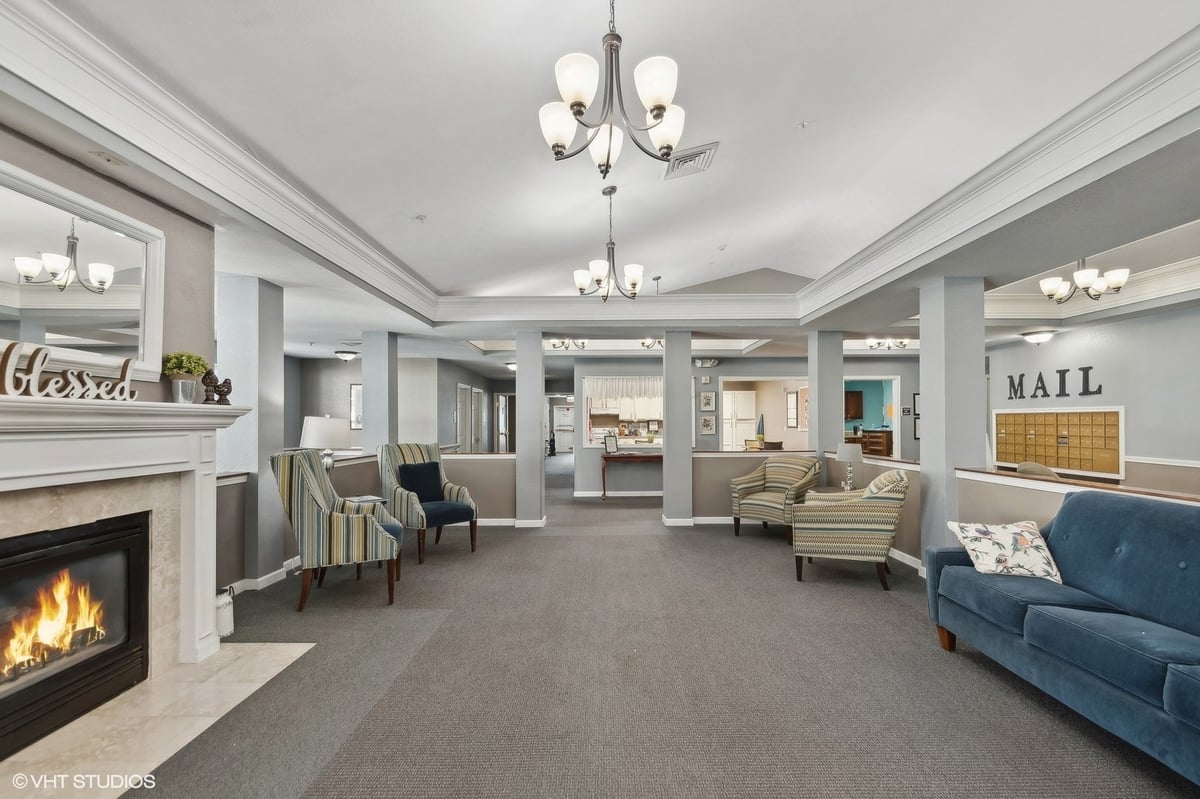
The physical environment plays a quiet role in independence. Layouts support movement, visibility, and comfort without feeling clinical. Spaces encourage ease rather than caution.
Design choices reduce effort during daily tasks. Familiar surroundings help residents stay oriented and relaxed. Comfort supports confidence, which makes independence easier to maintain.
Helpful features often include:
- Clear walkways
- Comfortable seating
- Calm lighting
- Accessible storage
- Private spaces
Frequently Asked Questions
What Does Assisted Living in Huntington Typically Include?
Assisted living in Huntington focuses on daily support that fits personal routines. Help often covers bathing, dressing, medication reminders, and mobility assistance. Residents maintain control over schedules and choices while support fills in where needed.
Care also extends beyond physical tasks. Social engagement, meals, and wellness monitoring shape daily life. The goal centers on comfort, familiarity, and independence rather than rigid structure.
How Is Personalized Care Different From Standard Senior Care?
Personalized care adapts to habits rather than forcing change. Wake-up times, meal preferences, and social comfort guide how assistance appears. Support aligns with daily rhythms, which reduces stress and preserves autonomy.
Standard care often follows fixed schedules. Personalized care stays flexible and responsive. That difference helps older adults feel seen, respected, and in control.
Can Residents Keep Their Own Daily Routines?
Residents keep personal routines at the center of assisted living life. Morning rituals, favorite activities, and rest patterns remain intact. Assistance supports those habits instead of replacing them.
Consistency helps residents feel grounded. Familiar routines reduce confusion and anxiety. Daily life continues to feel personal and predictable.
How Does Assisted Living Support Independence Over Time?
Independence stays protected through gradual, thoughtful support. Care adjusts as needs change without sudden disruptions. Residents remain involved in decisions that affect daily life.
That approach to senior routines in assisted living builds confidence and trust. Support feels like a partnership rather than a takeover. Independence remains active, not symbolic.
Is Assisted Living Appropriate for Changing Health Needs?
Assisted living works well for evolving needs that do not require constant medical care. Support expands or contracts based on daily ability. Residents avoid disruptive moves as circumstances shift.
Ongoing observation helps guide adjustments. Care stays aligned with comfort and capability. The stability of daily life in assisted living remains a defining benefit.
Assisted Living in Huntington Supports Independence Daily
Assisted living in Huntington blends personal routines with flexible support that adapts as needs shift. Daily life stays familiar because care aligns with habits, preferences, and comfort levels. Independence remains active and meaningful through steady assistance that respects personal choice.
At Tipton Place Assisted Living, care unfolds in a smaller, close-knit setting where private suites and home-style meals shape everyday comfort. Familiar faces, consistent caregivers, and calm routines create a sense of belonging that never feels institutional. Follow the quiet confidence of a setting designed for dignity and schedule a tour to see how independence can feel deeply personal again.