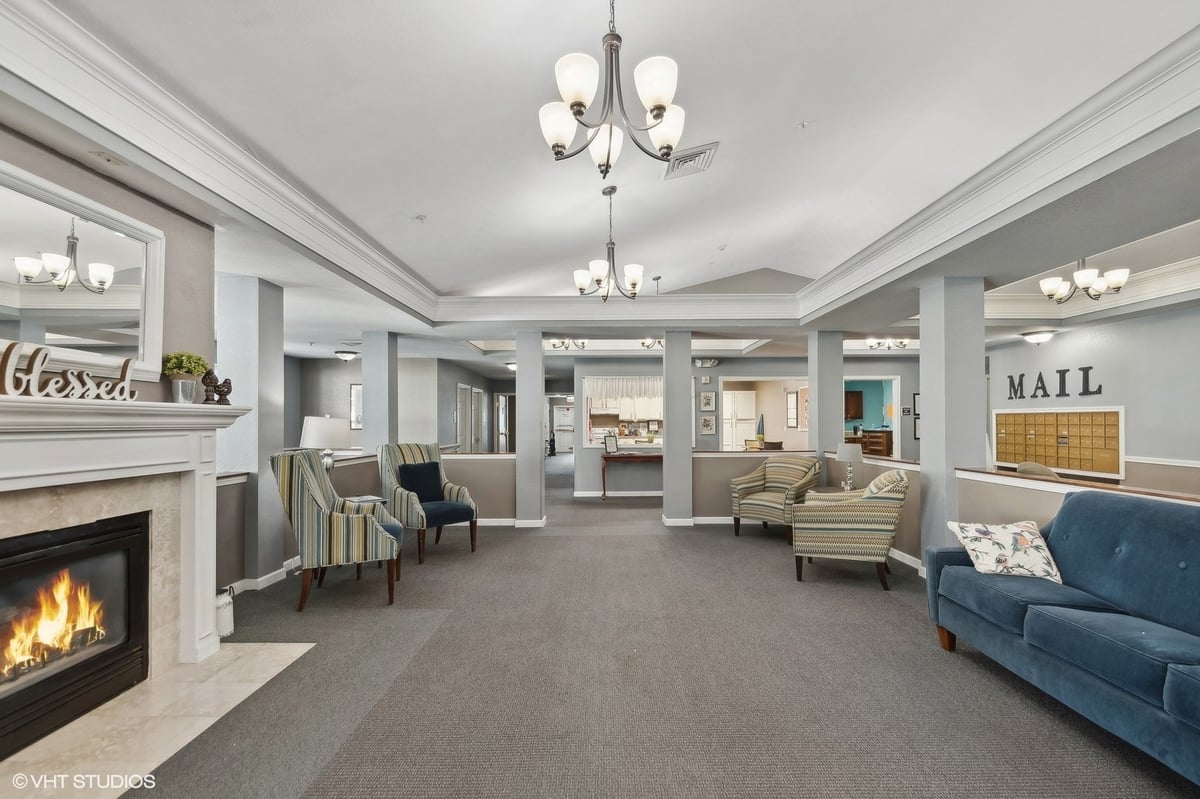
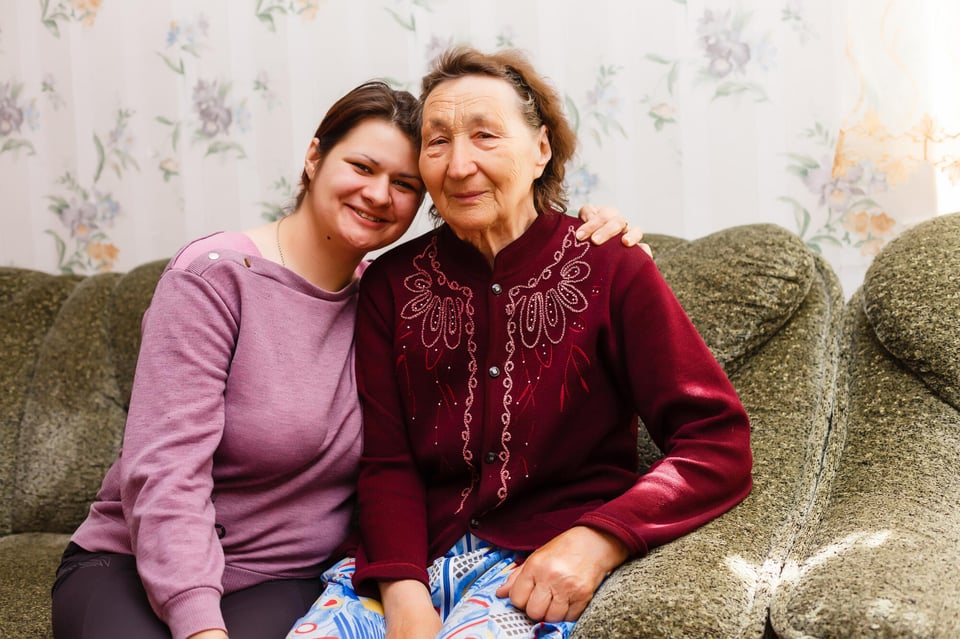
Social life at Huntington assisted living communities revolves around daily activities like baking, card games, movie nights, and group outings. These activities create natural opportunities for friendship. They allow seniors to connect through casual conversations and shared meals in common areas.
Loneliness poses serious health risks for older adults. According to the National Institutes of Health, social isolation increases dementia risk by up to 50%. These statistics reveal why social connection matters so much in senior living.
Situated along the Wabash River, Huntington, Indiana, offers seniors a welcoming small-town atmosphere with local entertainment, shopping, and dining. Its assisted living communities provide natural daily connections and engaging social programs that allow seniors to age with purpose.
What Are the Four Types of Social Activities?
Four types of social activities build connections in assisted living. Each type serves different social and emotional needs.
Altruism Activities
Altruism-based activities involve helping others or contributing to the community. These actions create a sense of purpose and connection. In assisted living, altruism may include:
- Mentoring newer residents
- Sharing life stories with others
- Participating in community service projects
Many residents find joy in offering wisdom and support to fellow community members. These activities boost self-esteem and create meaningful bonds between residents.
Creative Activities
Creative pursuits bring people together while expressing individuality. Assisted living activities that encourage creativity and connection include:
- Poetry sessions
- Painting classes
- Creative writing circles
- Music appreciation groups
These programs allow you to explore talents while connecting with others who share similar interests. Creative activities stimulate the mind and provide conversation starters.
Game Activities
Games create fun, competitive, or collaborative experiences. According to Frontiers, card and board games can stimulate cognitive function. The friendly competition adds excitement to daily life.
Motion Activities
Physical activities done in groups combine exercise with socialization. Exercise classes and walking groups fall into this category.
Movement-based activities improve physical health while providing structured social time. You motivate each other to stay active and celebrate progress together.
What Are Social Activities for the Elderly?
Senior community engagement takes many forms. The variety ensures everyone finds activities that match their interests and abilities. Here is how you can build a social life in a Huntington assisted living community.
Organized Group Activities
From planned outings to musical events, scheduled programs create predictable opportunities for interaction. You know when Huntington IN senior events happen and can plan to attend them.
Baking Together
Baking sessions at Tipton Place Assisted Living bring residents together in the kitchen. You share recipes, swap stories about family traditions, and enjoy the delicious results together.
Movie Nights
Watching films together creates shared experiences. You laugh at comedies, discuss dramas, and reminisce about classic movies from your younger years. The casual atmosphere encourages conversation before and after the screening.
Exercise Classes
Group fitness classes combine health benefits with social interaction. Instructors adapt exercises to accommodate the different ability levels of seniors.
You encourage each other during workouts and celebrate improvements together. If you make exercise buddies, you're likely to strengthen friendships in senior living.
Mealtime Conversations
Three chef-prepared meals daily provide built-in social opportunities. Dining rooms buzz with conversation as residents share tables and stories.
How Long Does the Average Person Live in an Assisted Living Community?
According to ConsumerAffairs, the average assisted living resident stays for about 22 months. However, this timeframe varies based on circumstances, such as:
- Health status at move-in
- Available care levels
- Personal preferences
The quality of each day matters more than duration. Meaningful social connections transform assisted living from simply existing to senior care that allows you to flourish.
What Person Would Most Likely Qualify to Live in an Assisted Living Community?
Sometimes seniors need support and care. A person who qualifies to live in an assisted living community has the following characteristics:
Daily Task Assistance Needs
You may need help with activities of daily living, such as feeding, bathing, dressing, or ambulating. Perhaps managing medications becomes confusing with multiple prescriptions. Assisted living provides this support while respecting your independence.
Social Isolation Concerns
Living alone can lead to loneliness and depression. If family members notice you've stopped participating in activities you once enjoyed, assisted living offers built-in social opportunities.
Safety Worries
Balance issues, memory concerns, or difficulty maintaining a home create safety risks. Assisted living provides a secure environment with staff available when needed. You gain peace of mind knowing help is always nearby.
Frequently Asked Questions
What Is the Best Age to Move to Assisted Living?
For many people, the ideal age for assisted living falls between the mid-to-late 60s and early 70s. However, this age range varies depending on individual circumstances.
Some people wait until their 80s or beyond before transitioning. Moving earlier while you're relatively healthy allows time to establish friendships and routines before facing serious health challenges. You can participate more fully in activities and build strong social networks.
Do People Decline Faster in Assisted Living?
Seniors generally do not decline faster in assisted living. In fact, appropriate care and social engagement often slow decline compared to isolated people struggling alone at home.
The key factor is receiving the right level of care at the right time. Moving to assisted living proactively, before health deteriorates, produces the best outcomes.
How Long Does It Take to Adjust to Assisted Living?
Most residents adjust to assisted living within three to six months. The first few weeks often feel unfamiliar as you learn routines and meet new people. This initial adjustment period is completely normal.
Building friendships takes time. You'll gradually discover which activities you enjoy and which residents share your interests. By the third month, most people feel more comfortable and connected.
Discover Vibrant Social Life at Huntington Assisted Living
Huntington assisted living offers seniors numerous opportunities for meaningful social engagement. Maintaining these connections is vital, as regular socialization supports both physical vitality and cognitive health throughout the aging process.
Tipton Place in Huntington, IN, is a close-knit, home-like community where personalized care, meaningful engagement, and genuine connection come first. With individualized care plans guided by our professional and caring team, residents receive daily support that respects their independence and dignity.
Ready to experience what a thriving connection in assisted living means? Schedule a tour and see how we can help you or your loved one enjoy a fulfilling retirement.