A heart health check for seniors over 65 includes blood pressure monitoring, cholesterol testing, and physical exams. Your doctor evaluates your cardiovascular risk and creates a plan to keep your heart strong and healthy.
Every 40 seconds, an American experiences a heart attack, according to the American Heart Association. Adults over 65 face a higher risk of experiencing these cardiac events. These numbers should empower you to go for regular screenings and catch warning signs early.
Huntington, Indiana, offers small-town charm along the Wabash River, where peaceful parks and accessible healthcare create an ideal environment for healthy aging. Senior living communities also offer Huntington IN wellness programs that make life fulfilling.
What Are the Signs of an Unhealthy Heart?
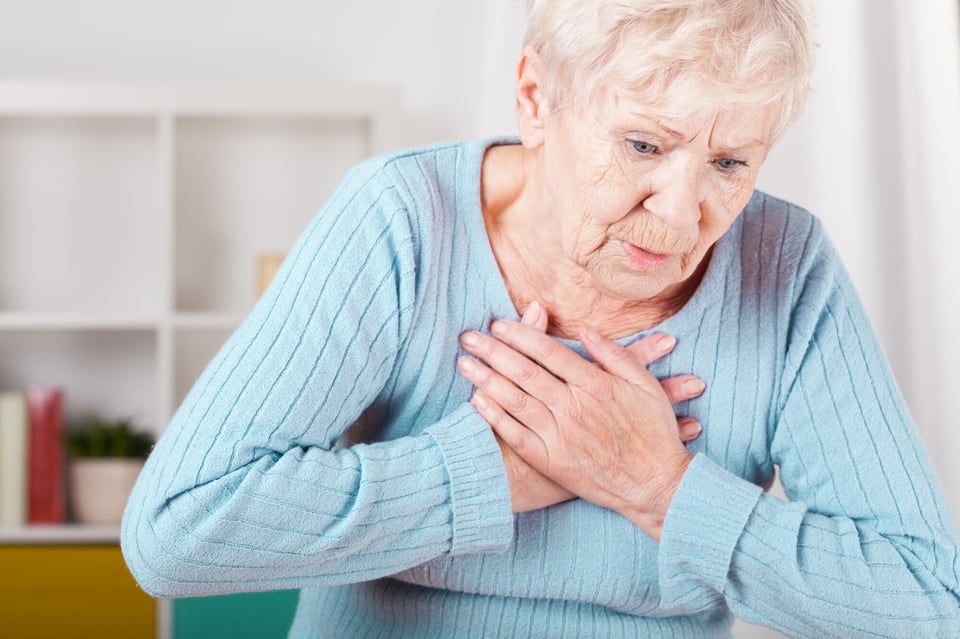
Recognizing cardiac warning signs can save your life. Here are signs you should watch out for:
- Chest discomfort
- Breathing difficulties
- Pain in other areas
- Swelling in your legs, ankles, or feet
- Extreme, unexplained fatigue from simple tasks
- Palpitations with dizziness, pain, or shortness of breath
Many symptoms seem minor or mimic other conditions, leading older adults in assisted living to delay seeking help. Always take these symptoms seriously, as prompt action can save your life.
What to Wear for a Cardiology Appointment?
Comfort and accessibility matter more than style for a cardiac risk assessment. Here are clothing choices you should consider:
- Choose loose-fitting pants or a skirt
- Wear shoes that slip on and off easily
- Wear a button-front or zip-front top
- Skip one-piece dresses or jumpsuits and wear separates
- Leave jewelry or anything with metal behind to avoid interfering with EKG tests
Your clothing choices directly affect how smoothly the visit proceeds. It ensures you're comfortable and less anxious about your exams.
What a Heart Health Check Looks Like for Seniors Over 65
Your senior heart screening follows a structured approach designed specifically for your age group. Here is what you can expect:
Initial Vital Signs
The appointment starts with basic measurements. A medical assistant records your height and weight to calculate your body mass index. Excess weight strains your heart and increases cardiovascular risk.
Your blood pressure check seniors comes next. According to the CDC, over 70% of adults over 65 have hypertension. This silent condition damages arteries and forces your heart to work harder.
Comprehensive Medical History Review
Your doctor asks detailed questions about your cardiovascular health. Be specific and thorough when describing symptoms.
You'll discuss symptoms of an unhealthy heart and family history. They will also ask you questions about your senior lifestyle to assess cardiovascular risk.
Physical Examination
Next, your doctor will perform a hands-on assessment of your cardiovascular system. Expect them to:
- Perform peripheral pulse checks
- Examine your legs and ankles for swelling
- Evaluate your heart sounds using a stethoscope
- Do a lung assessment to detect fluid buildup that signals heart failure
An abdominal exam will also be done to check your liver size. Having an enlarged liver can sometimes indicate heart failure.
Electrocardiogram (EKG) Testing
An EKG test records your heart's electrical activity. Small adhesive electrodes attach to your chest, arms, and legs. These sticky pads connect to wires that transmit signals to a recording machine. The EKG reveals:
- Heart rate and rhythm regularity
- Evidence of previous heart attacks
- Inadequate blood flow to the heart muscle
- Thickening of the heart walls from high blood pressure
- Electrical conduction problems
EKGs detect abnormalities in most adults, even those without obvious symptoms. Many of these findings don't need immediate treatment but require closer monitoring.
Blood Work for Cholesterol Test Aging Adults
A lab technician will draw blood from a vein in your arm using a small needle. Your blood sample undergoes multiple tests that reveal cardiac risk factors:
- Lipid panel: Measures cholesterol.
- Blood glucose: High sugar damages blood vessels.
- Complete blood count: Detects anemia, which strains the heart.
- Inflammatory markers: High levels contribute to artery plaque formation.
Results often arrive within a few days. However, some offices provide same-day testing for urgent situations or patients with known cardiac issues.
How Much Exercise Is Good for the Heart?
Physical activity strengthens your heart like any other muscle in your body. Ensure you perform daily activities for seniors, such as:
- Walking
- Cycling
- Dancing
- Swimming and water aerobics
Start slowly if you're new to exercise. Make sure you exercise with others when possible for safety monitoring and motivation.
Frequently Asked Questions
What Should My Heart Rate Be at 65 Years Old?
A normal resting heart rate of 60-100 bpm is good for seniors. If you experience this consistently outside, you need to book an appointment with your doctor.
For moderate exercise, aim for a target zone of 78 to 132 beats. Use the lower end for light walking and the higher range for brisk activity. At Tipton Place Assisted Living, our staff design programs that safely elevate heart rates while monitoring residents for any concerning symptoms.
What Do Heart Palpitations Feel Like?
Heart palpitations create an unusual awareness of your heartbeat that you normally wouldn't notice. Your heart may feel like it's pounding hard, racing rapidly, or flip-flopping inside your chest.
You may notice these feelings in your chest, throat, or neck. While palpitations often stem from harmless causes like caffeine, stress, or certain medications, frequent episodes warrant medical evaluation. Your doctor will perform tests to rule out arrhythmias or other heart conditions.
How Long Does a Heart Checkup Take?
Plan for 45 to 90 minutes for a comprehensive heart health check. The exact duration depends on which tests your doctor orders and how busy the office is that day.
If you're a first-time patient, you may spend more time than returning patients. Your doctor needs to establish baseline measurements and gather a complete health history. Follow-up visits usually move faster.
Personalized Heart Health Support at Tipton Place
A regular heart health check ensures you're aging healthily. Taking charge of your cardiac health becomes simpler when you have a dedicated team to support you.
At Tipton Place Assisted Living in Huntington, we've built our senior living community around comprehensive wellness. Our staff handles medical management, ensuring your cardiac care plan gets implemented precisely as prescribed. We create individualized care plans with dietary modifications and gentle exercise programs tailored for those managing heart conditions.
Get in touch with us and schedule a tour if you're ready to discover personalized assisted living.